Before the Palm Trees: A Name Rooted in the Land
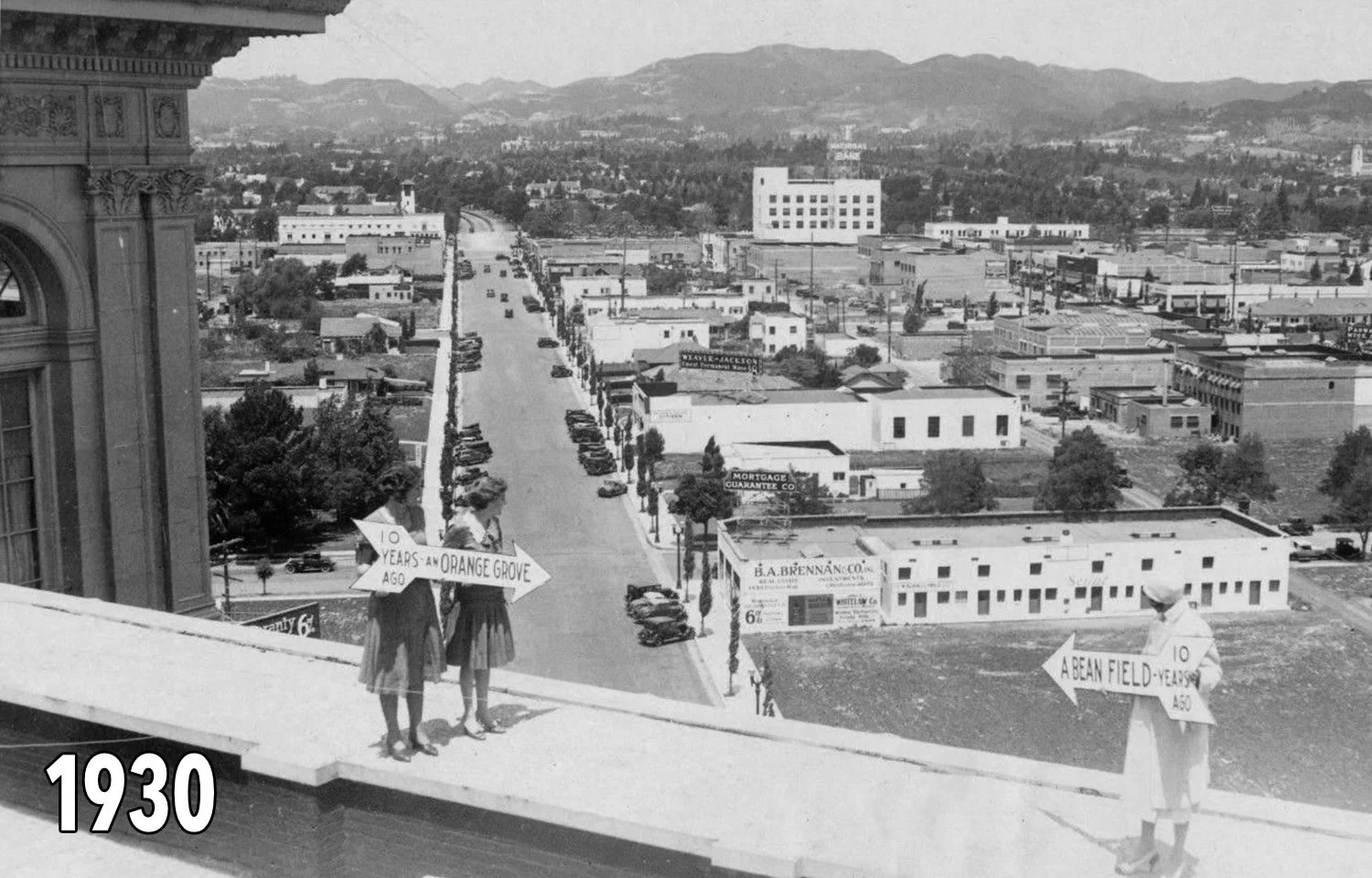
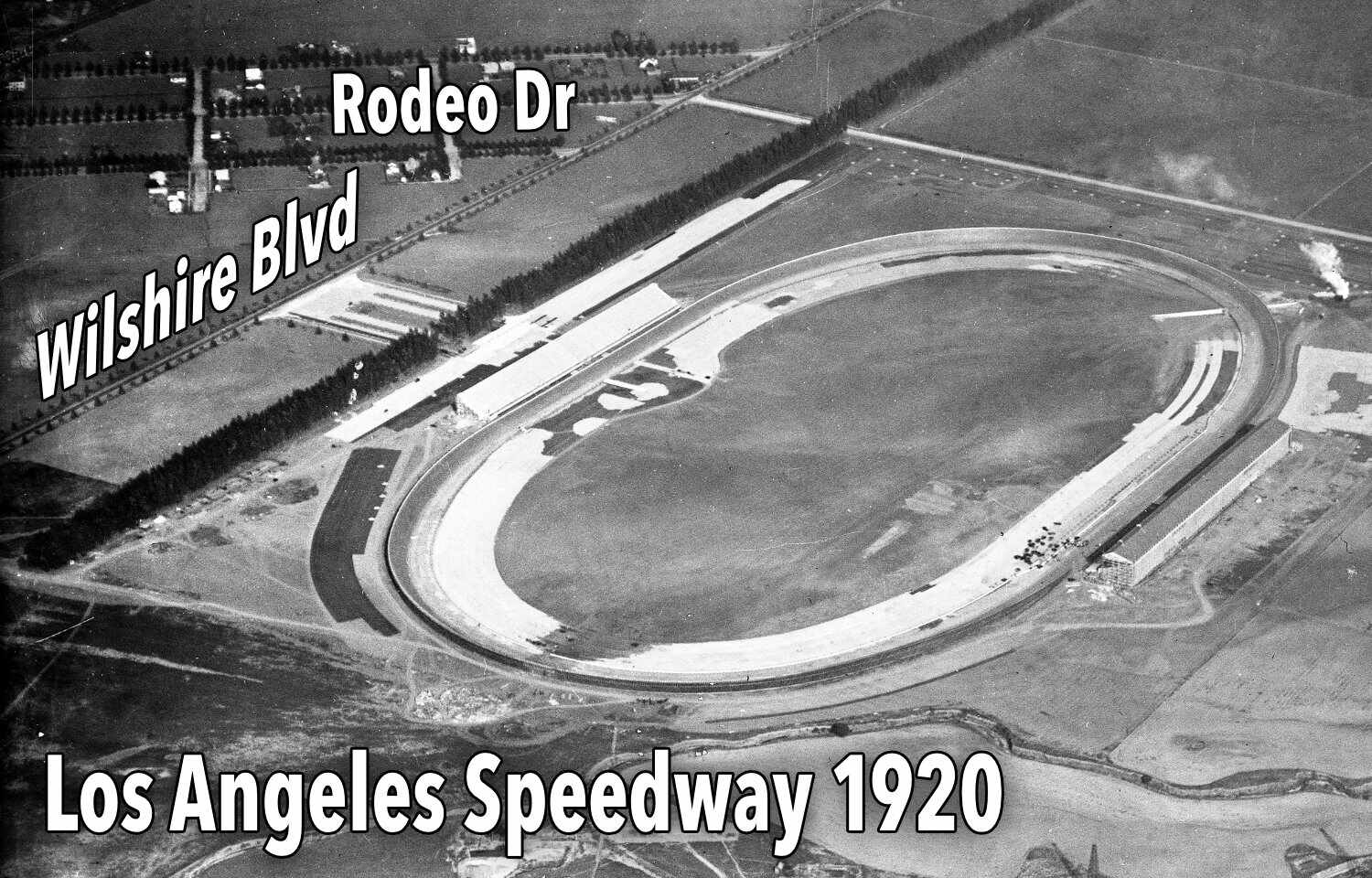
Long before the boutiques arrived, before the palm trees were planted and the world learned to pronounce Roh-DAY-oh, this land had a different kind of story to tell.
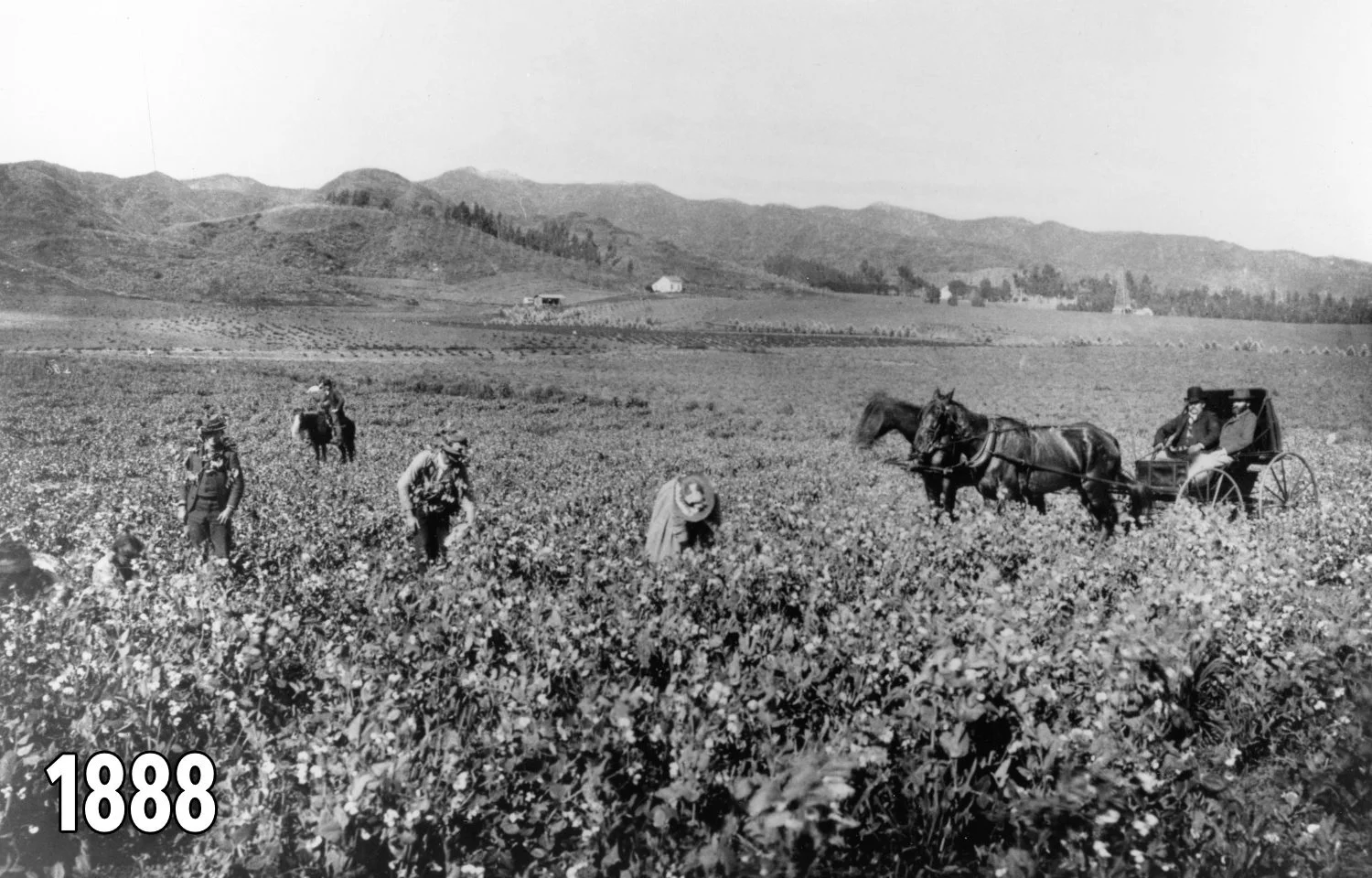
In 1769, Spanish explorer Gaspar de Portolà led his expedition through what is now Southern California and encountered a place where waters gathered from several directions. A rare and precious thing in an arid landscape. His party named it El Rodeo de las Aguas: The Gathering of the Waters. The Tongva people who had lived here long before him already understood its value, considering the site sacred ground.
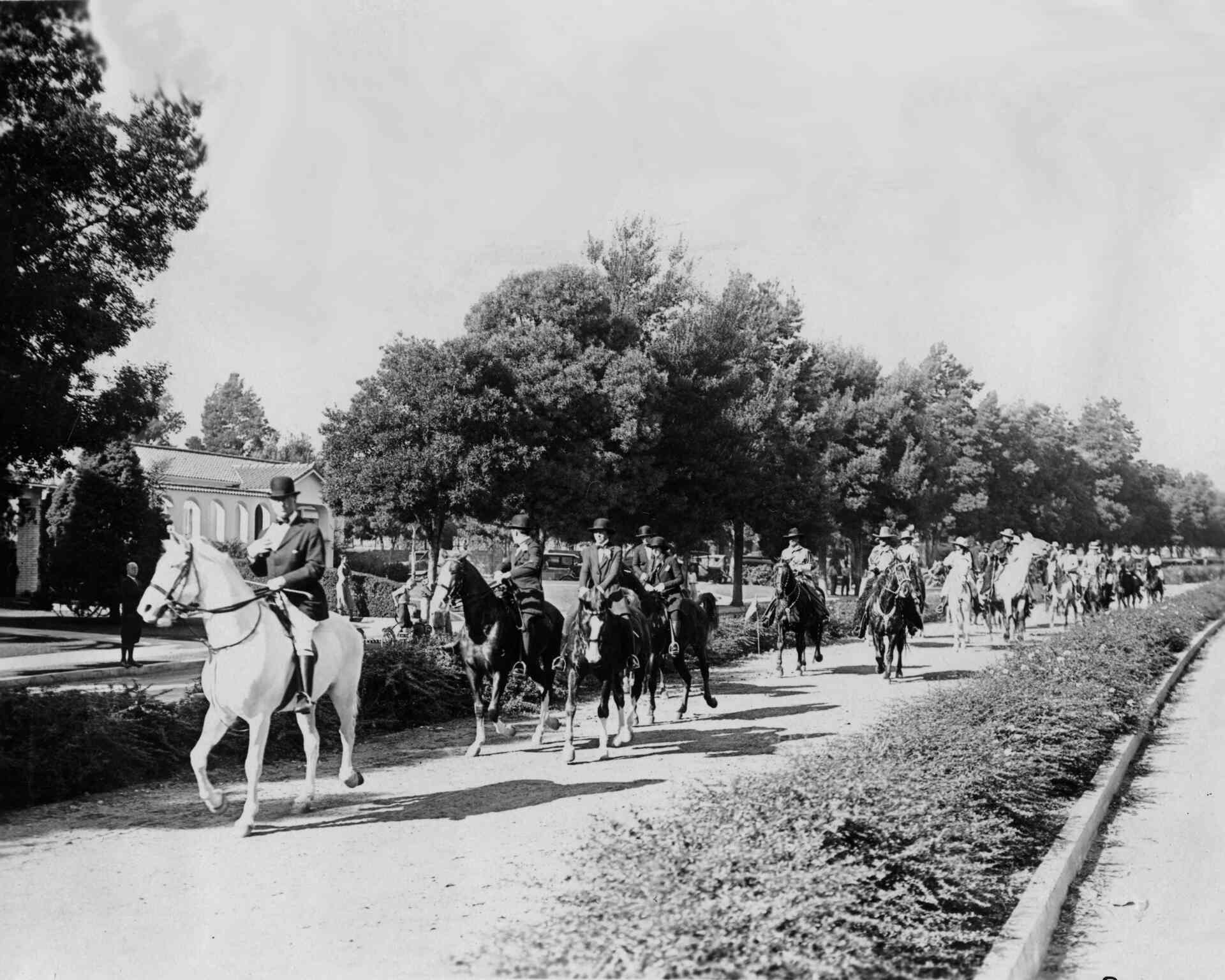
Through the rancho era that followed, the land took on a working life. Cattle grazed across its broad, sun-warmed terrain, and every season brought a rodeo — the Spanish word for a round-up — as vaqueros gathered livestock from the surrounding hills. The land had rhythm, purpose, and a name that stuck.
When Burton Green and his investors developed Beverly Hills in the early 1900s, they kept it. Rodeo Drive — a street named not for glamour, but for cattle, water, and the particular memory of a landscape. There is a quiet poetry in that origin: one of the world’s most celebrated luxury destinations named for the most elemental act of gathering together.
It has been a gathering spot ever since.
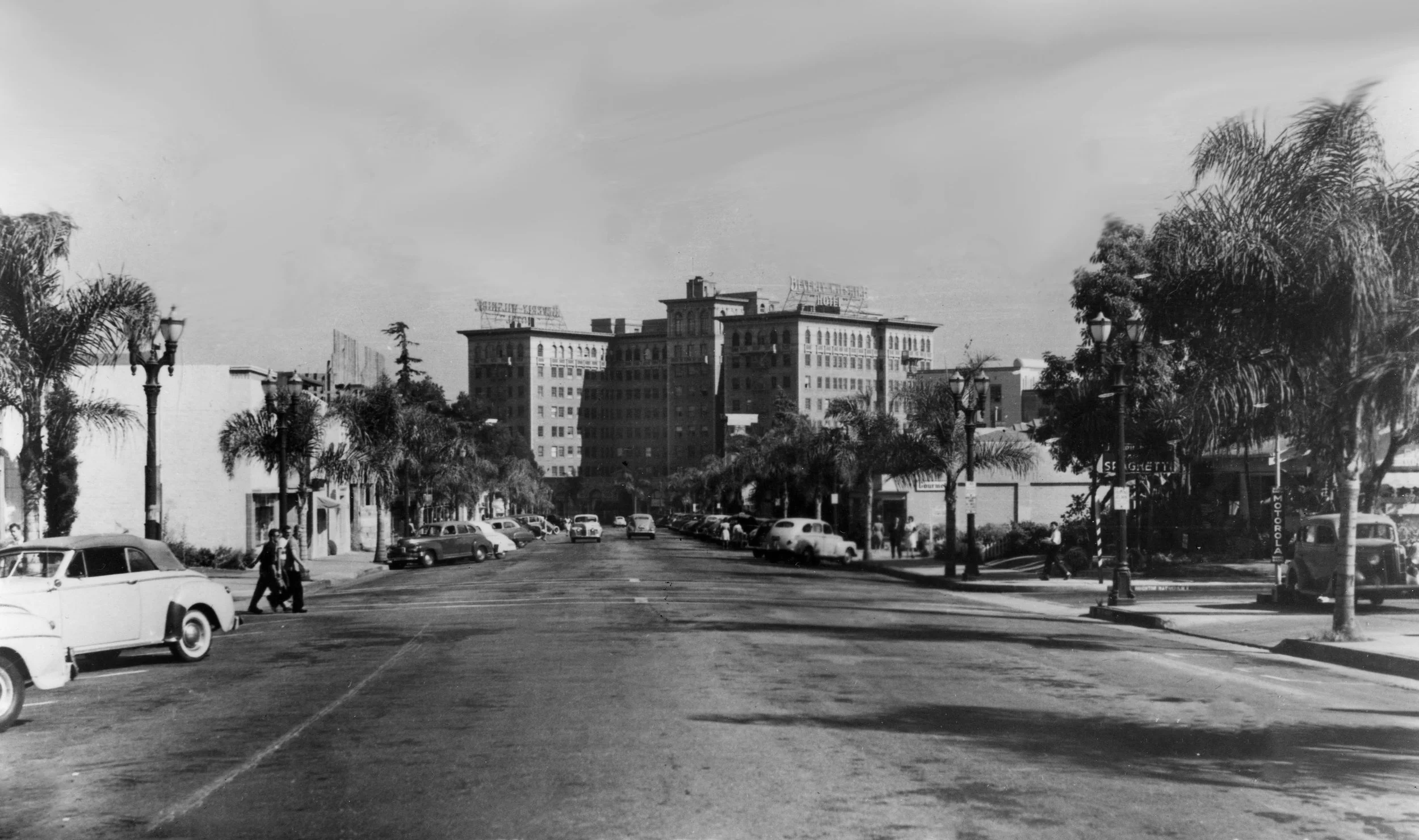
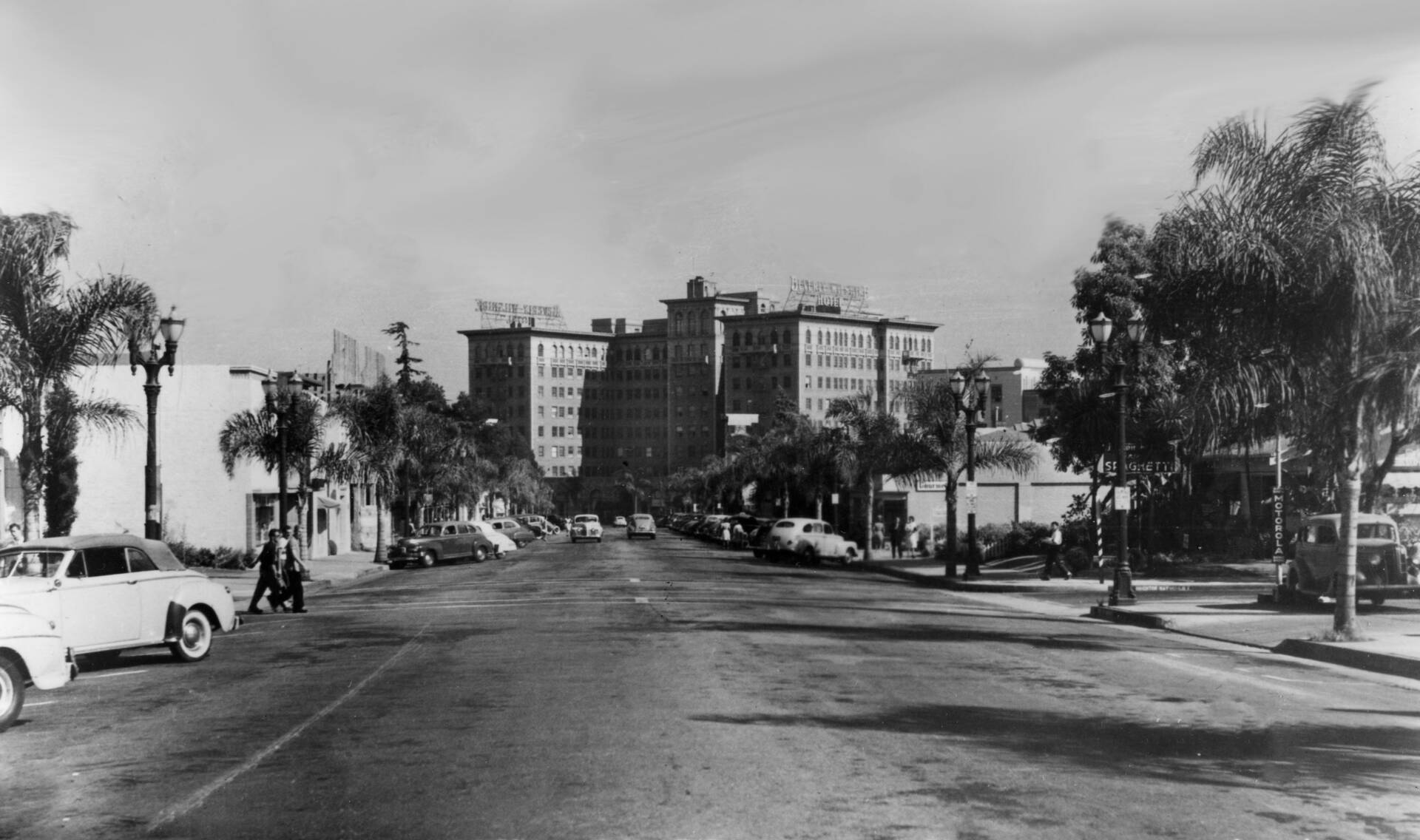
1946 — Rodeo Drive looking south to Brighton Way
The First Act: A Street Finds Its Ambition
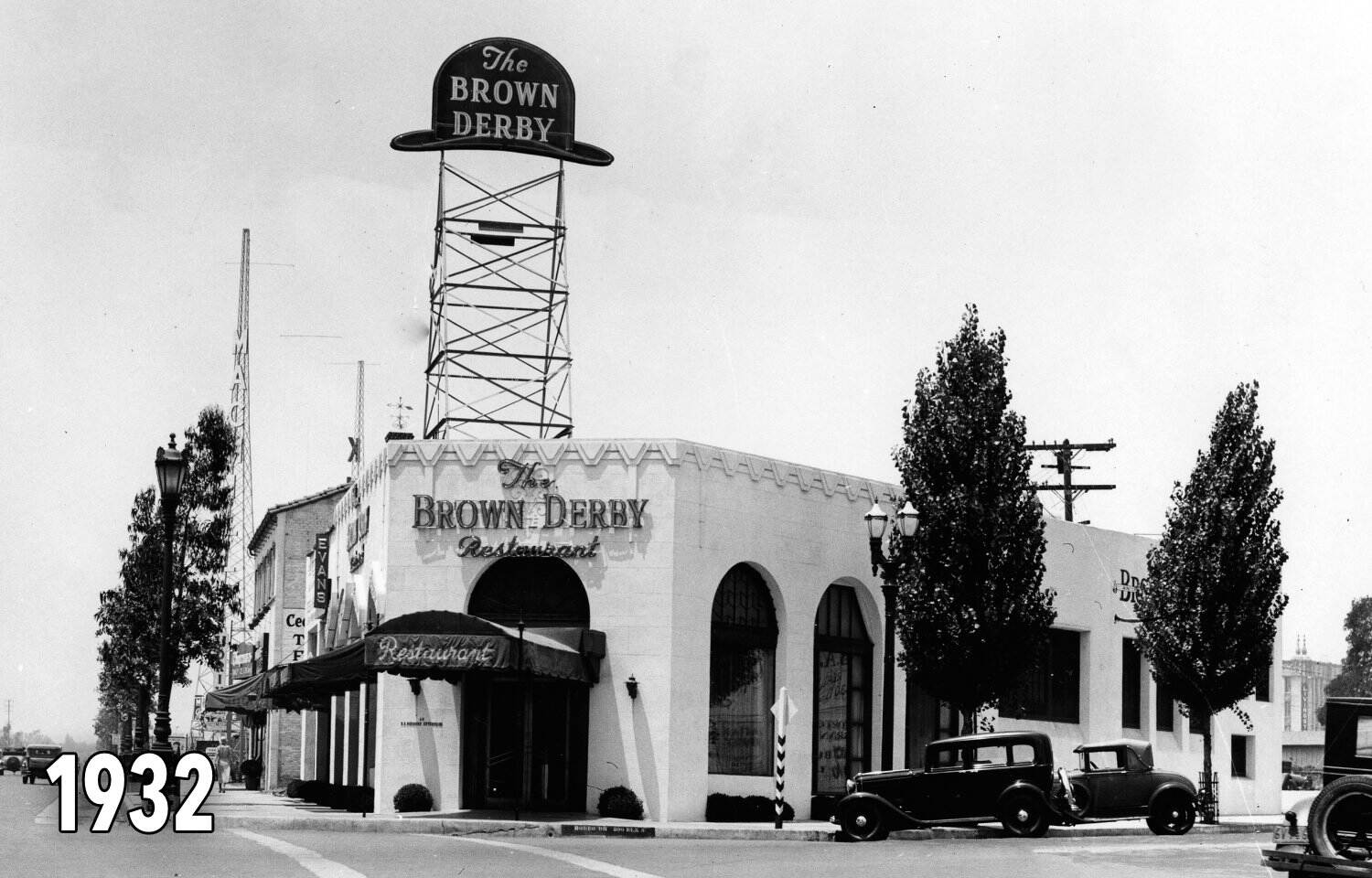
There was a time, not so long ago, when Rodeo Drive was just a street.
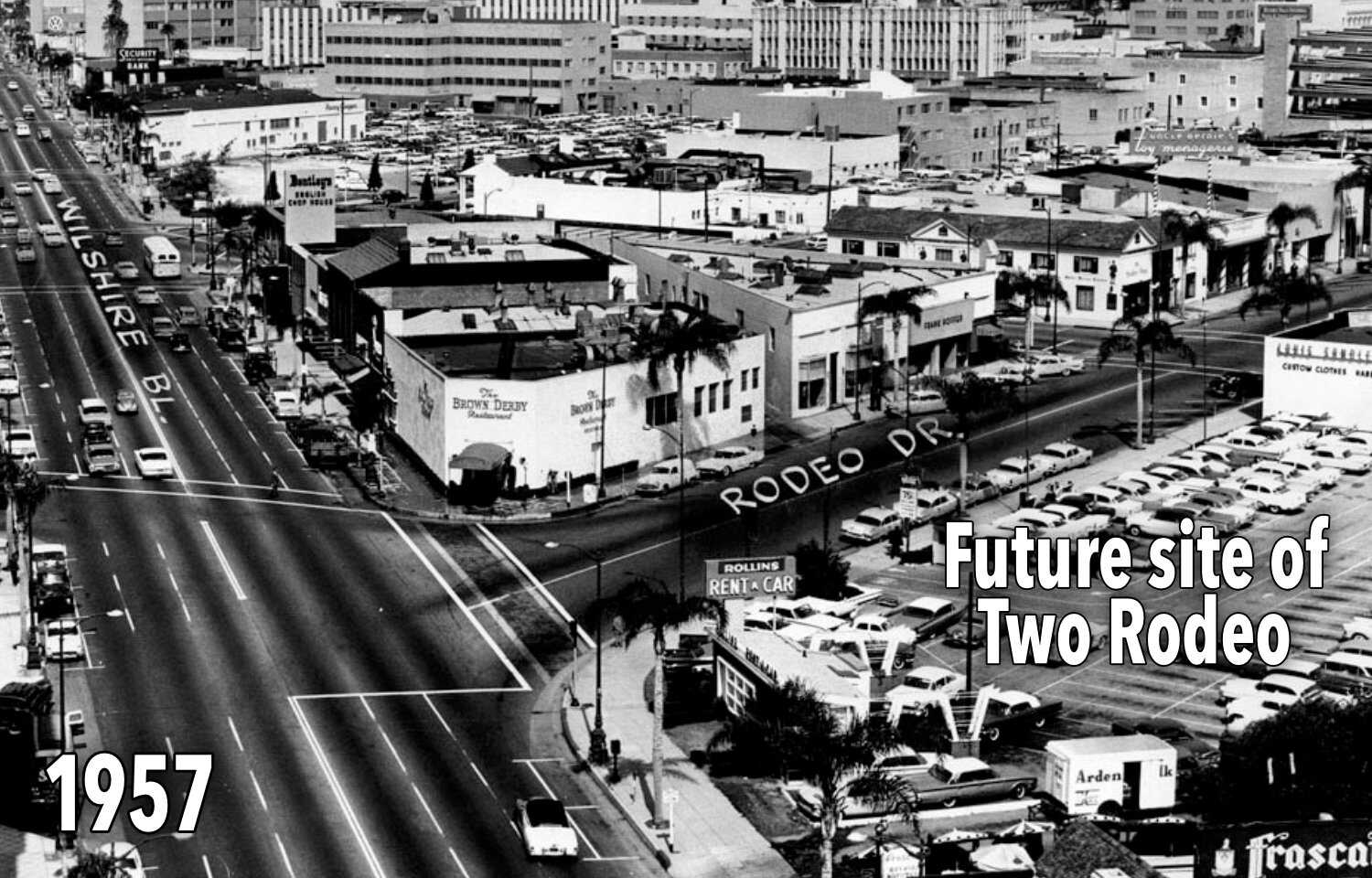
A pleasant one, shaded and unhurried, lined with the kinds of businesses that served a prosperous neighborhood: a hardware store here, a beauty shop there, the occasional gas station. Beverly Hills was already a name with a certain shimmer to it, carried on the back of Hollywood glamour and the quiet wealth of its hillside estates. But the street itself? Purely local in flavor. Unknown to the world.
That was about to change.
In 1961, Fred Hayman opened Giorgio Beverly Hills, the street’s first high-end boutique. Following suit, Aldo Gucci opened a store in 1968, catalyzing the process by which the street began to take on its present form. Van Cleef & Arpels opened in 1969, followed by a Vidal Sassoon salon in 1970, The Polo Store was established in 1971, and the 1976 arrival of Bijan Pakzad’s legendary showroom cemented Rodeo Drive’s standing as one of the world’s premier addresses for luxury retail.
The blocks between Wilshire Boulevard and Little Santa Monica were quietly, steadily becoming something different. But momentum without direction is just noise.
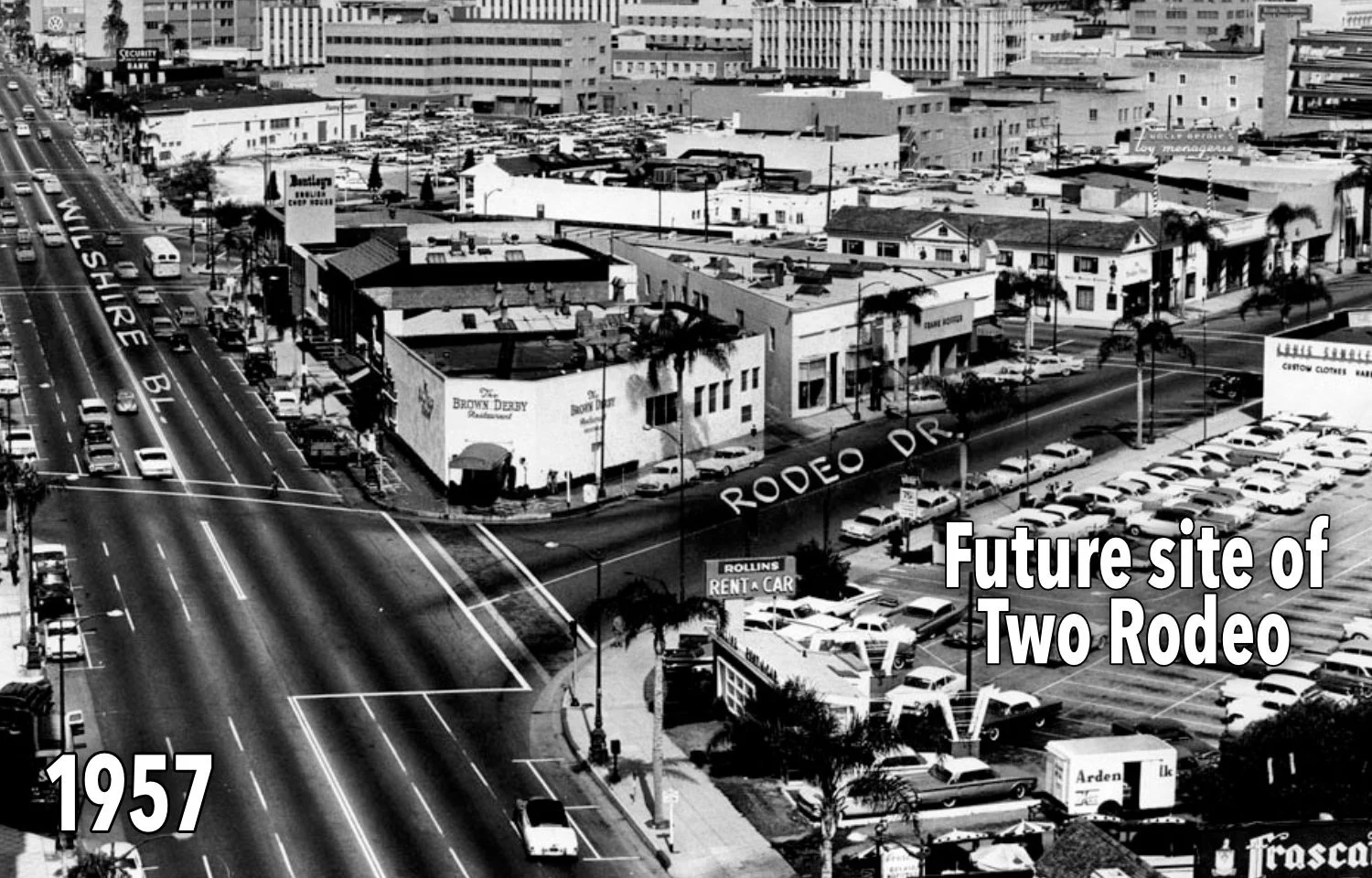
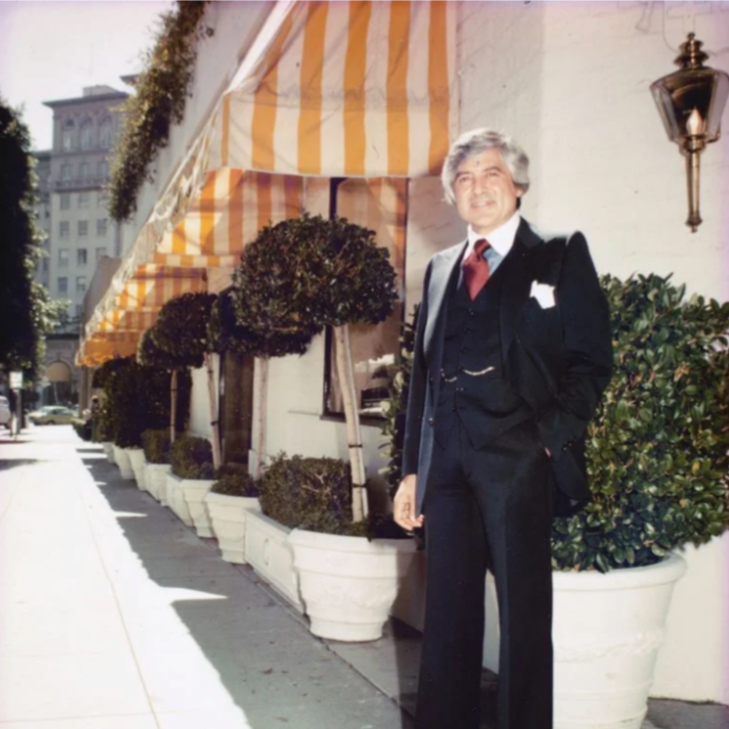
Photo courtesy of the Fred Hayman Archives
The Rodeo Drive Committee and the Mission
The Rodeo Drive Committee started to form in 1976 and was founded in 1977, with Fred Hayman as its driving force. He became chairman of the new association and president of Giorgio, the legendary boutique he had built into a cultural institution. But Hayman did not build the Committee alone. Among the founding circle was Donald Tronstein, a property owner and developer on the 400 block who would go on to serve as Committee President from 1984 to 1987, and who became so synonymous with the street’s growth and wellbeing that colleagues simply called him the “Mayor of Rodeo Drive.” Together, Hayman, Tronstein, and their fellow founders brought complementary strengths to a shared conviction: that this street could be something the world had never seen.
The goal was stated plainly and pursued ambitiously: to promote Rodeo Drive as America’s answer to the glamour of Rome’s Via Condotti, London’s New Bond Street, and Paris’s Faubourg St-Honoré.
It was an audacious comparison. At the time, those European streets carried centuries of heritage. Rodeo Drive had barely a decade of luxury retail to its name. But the Committee understood something that its Old World counterparts had perhaps forgotten: that a great shopping destination is not simply discovered. It is built, deliberately and collectively, by the people who have a stake in it.
The Committee launched a publicity campaign designed to make everyone around the world think of Rodeo Drive as the shopping street of the rich and famous, with the aim of making it an economic engine for Beverly Hills and spreading the image of a culturally-elite lifestyle. The campaign worked with remarkable speed. By 1978, the Beverly Hills Chamber of Commerce was boasting that Rodeo Drive was “the essence of the best of all the shopping centers of the world,” and by 1980, the city of Beverly Hills estimated that the Rodeo Drive shopping district accounted for as much as twenty-five percent of its sales tax revenues.
The Architecture of a Dream
What the Rodeo Drive Committee understood, from its earliest days, was that luxury is an experience before it is a transaction. Arriving on the street, you had to feel as if you were arriving at something significant, something curated, something earned.
Today, Rodeo Drive’s three iconic, palm-dotted blocks are home to more than 100 of the world’s leading luxury brands with deep connections to art and culture, housed in buildings designed by the most distinguished names in international design and architecture.
From Frank Lloyd Wright’s Anderton Court Shops — completed in 1952, years before the luxury era began — to the bold contemporary flagships that have followed, the street has become as much an architectural statement as a retail destination.
The Committee has been the constant thread connecting these decades of growth: a 501(c)(6) non-profit organization providing a forum where its members — consisting of retailers, hoteliers, and landowners — can engage, share a dialogue, and help shape the present and future of this world-famous destination.
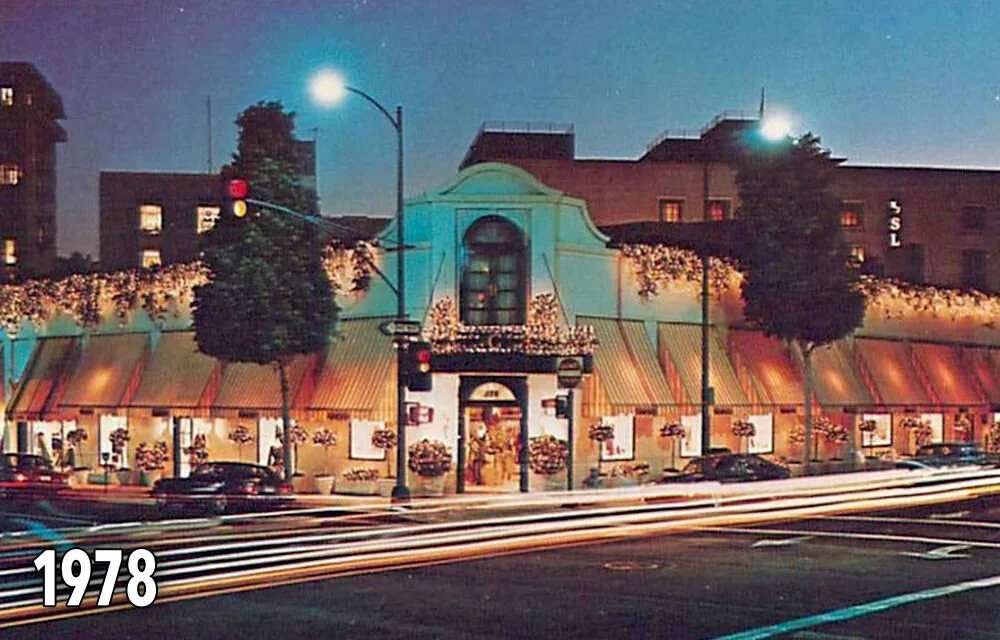
295 N Rodeo Drive
Culture, Craft, and the Art of the Street
The Committee’s ambition has never been confined to commerce alone. Over the decades, Rodeo Drive has cultivated a cultural identity to match its retail prestige.
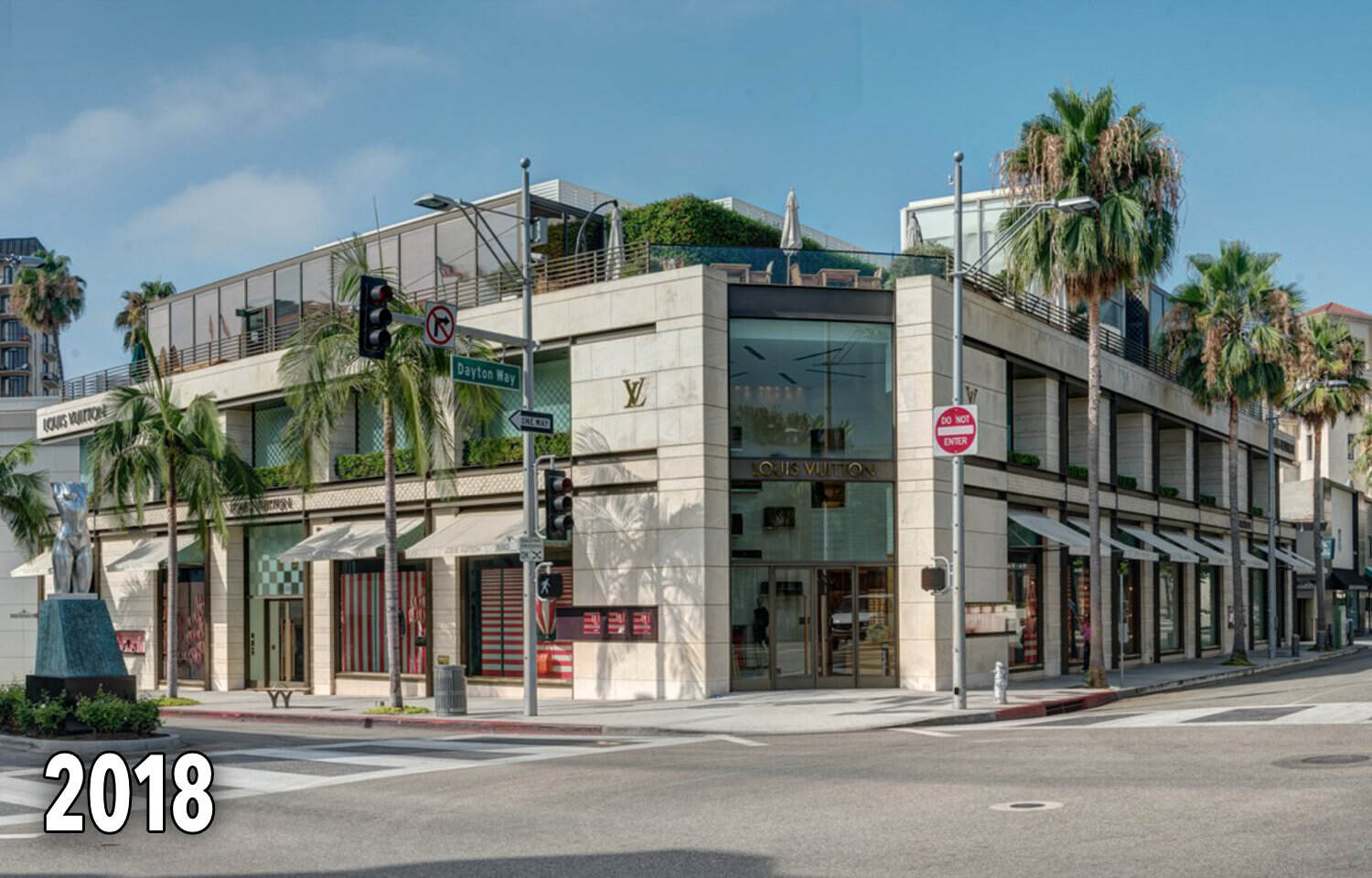
In 2003, the Rodeo Drive Committee developed the Rodeo Drive Walk of Style — plaques set in the sidewalks honoring fashion icons for their contributions to style, with the nude sculpture Torso by Robert Graham standing as its symbol at the intersection of Rodeo Drive and Dayton Way.
The Concours d’Elegance (now in its third decade) has become the largest single-day automotive concours in North America, drawing crowds and collectors from around the world. Fashion Night Out, holiday lighting celebrations, and the annual Rodeo Drive Celebrates program have each transformed the street, seasonally, into something closer to a living stage than a shopping district.
The message behind all of it is consistent: this is a street that takes culture seriously, that what happens here matters beyond the transaction at the counter.
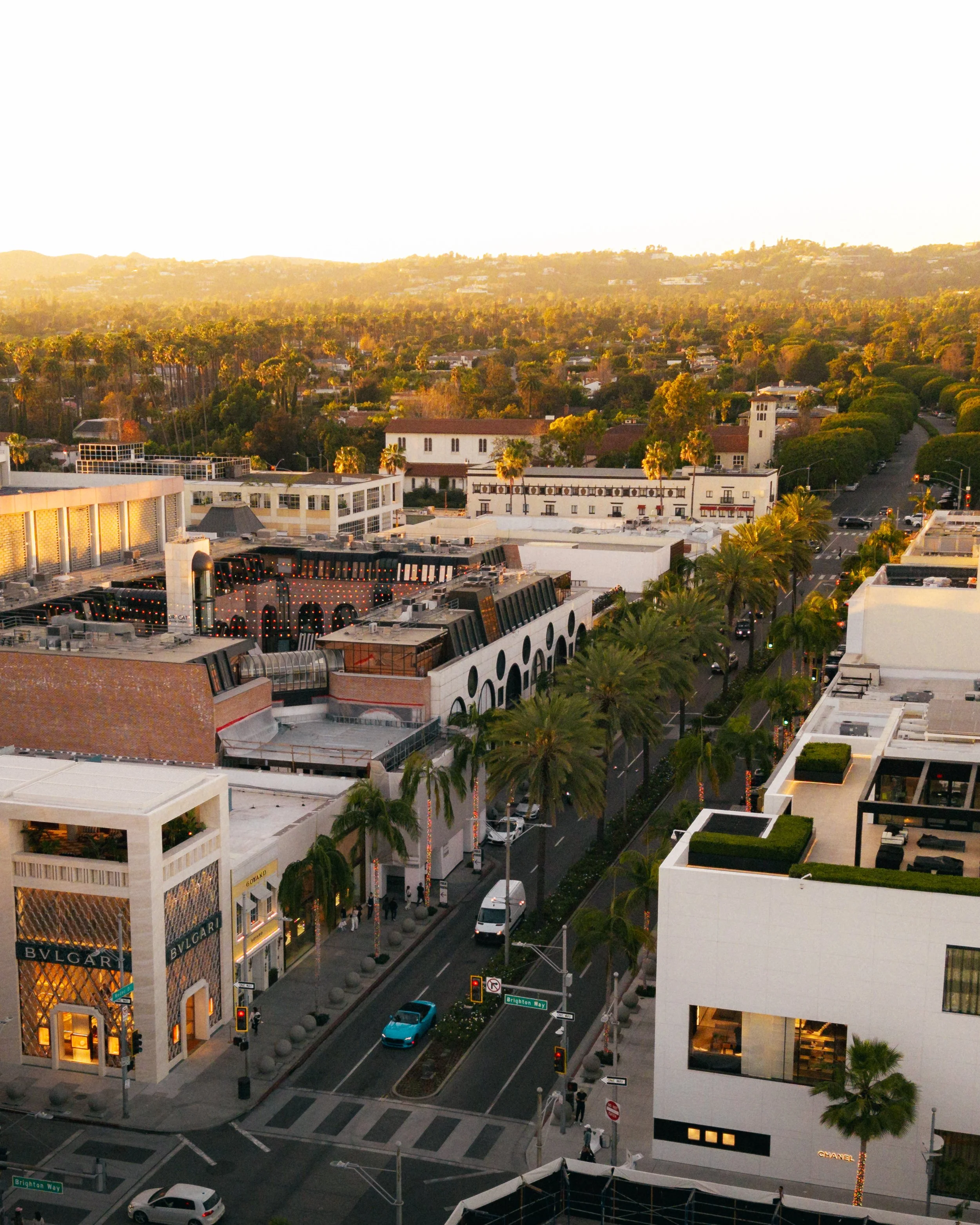
Rodeo Drive · February 2026
Fifty Years On
2027 marks the 50th anniversary of the Rodeo Drive Committee, half a century since a group of retailers, developers, and hoteliers decided that three blocks in Beverly Hills deserved to be great.
The world has changed enormously in those fifty years. Luxury has been democratized, disrupted, and redefined. Retail has faced existential pressure from forces no one in 1977 could have imagined. And yet Rodeo Drive endures — not despite its commitment to the physical, the experiential, and the exceptional, but because of it.
The founders’ dream was simple at its core: build something so beautiful, so singular, so alive with the best of human craft and ambition, that the world would have no choice but to take notice of it. Five decades on, the world is still doing so.